by Carol Rosenblatt | Aug 27, 2014 | stories
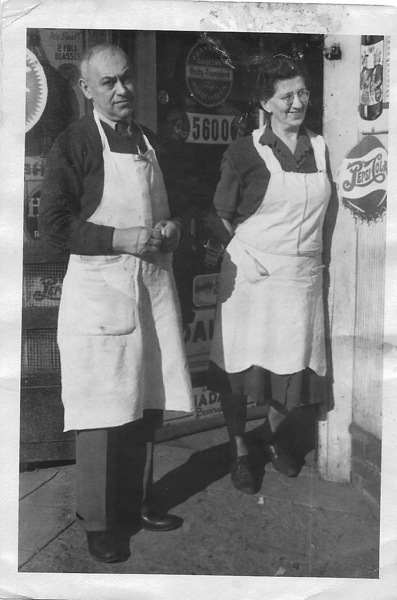
My maternal grandparents, Harry and Bessie Kall, worked in several corner grocery stores in Philadelphia. They were poor Russian immigrants who came to the United States separately and ended up in Philadelphia. When my grandmother first arrived as a teenager, she worked in a sweatshop along with one of her sisters, and my grandfather worked in a wholesale produce distribution center. They eventually married, and somehow saved enough money to go into business as shop keepers, which was viewed as a way out of poverty at that time. They had number of stores in different locations in the city but the one I remember the best was on Euclid Avenue in the Wynnefield section of Philadelphia because my sister, mother and I lived with them for about six months during the time they worked in that shop. They lived in an apartment over the store and you could walk up steps in the back of the store and find yourself in the kitchen of their home! The grocery business was hard work – on your feet most of the day for seven days a week. Until now, I never gave it a second thought that my grandmother and grandfather worked side by side in the store and were equal partners. They spoke broken English and their handwriting was not great, but somehow they managed to make a life for themselves and raise three children as well. Family was very important to them, and even though they worked long hours, there always was time for family dinners and holiday celebrations with the extended family (and with my grandmother’s excellent food,...
by Lisa Adler | Aug 27, 2014 | stories
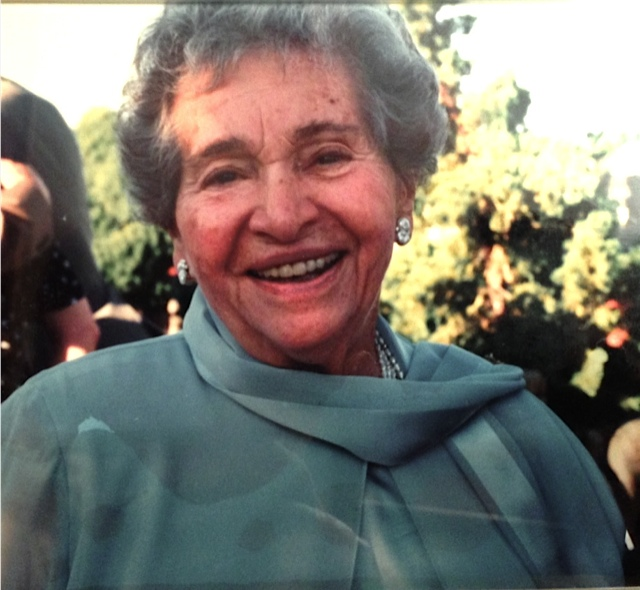
My grandmother Silvia Paulson was the family matriarch. She outlived two husbands and was with us until age 93. Everyone who knew her understood how sassy and smart she was. Grandma Silvia went to Hunter College when it was a woman’s college – her father encouraged both his daughters to pursue their education despite the norm back then for women to stay in the home. From there, she became a public school teacher and guidance counselor in the New York City public school system, teaching theater for several years. She was also a union member – something she made sure I understood early on. My Grandma’s profession influenced my mother and my aunt to become teachers and professors, and sent me down that path as well. She taught us that it was a profession to be proud of, that it carried honor, and that – as my Grandmother always made sure we agreed with – was shamefully under-appreciated. But my Grandmother’s career as a teacher extended far beyond her classroom. She was our teacher. We spent hours at the dinner table learning about Jewish history, U.S. history, labor history, and pulling apart the news and latest developments in the world. We spent even more hours going to museums (and NYC has a lot of them!)—her advancing age and limited mobility didn’t stop her, it simply meant it would take longer to get there. My Grandmother taught me to love history, politics, and reading – and she made sure I valued the education I was so fortunate to be getting. For all of this, I am forever grateful. Lisa Adler...
by Tyler Norman | Aug 27, 2014 | stories
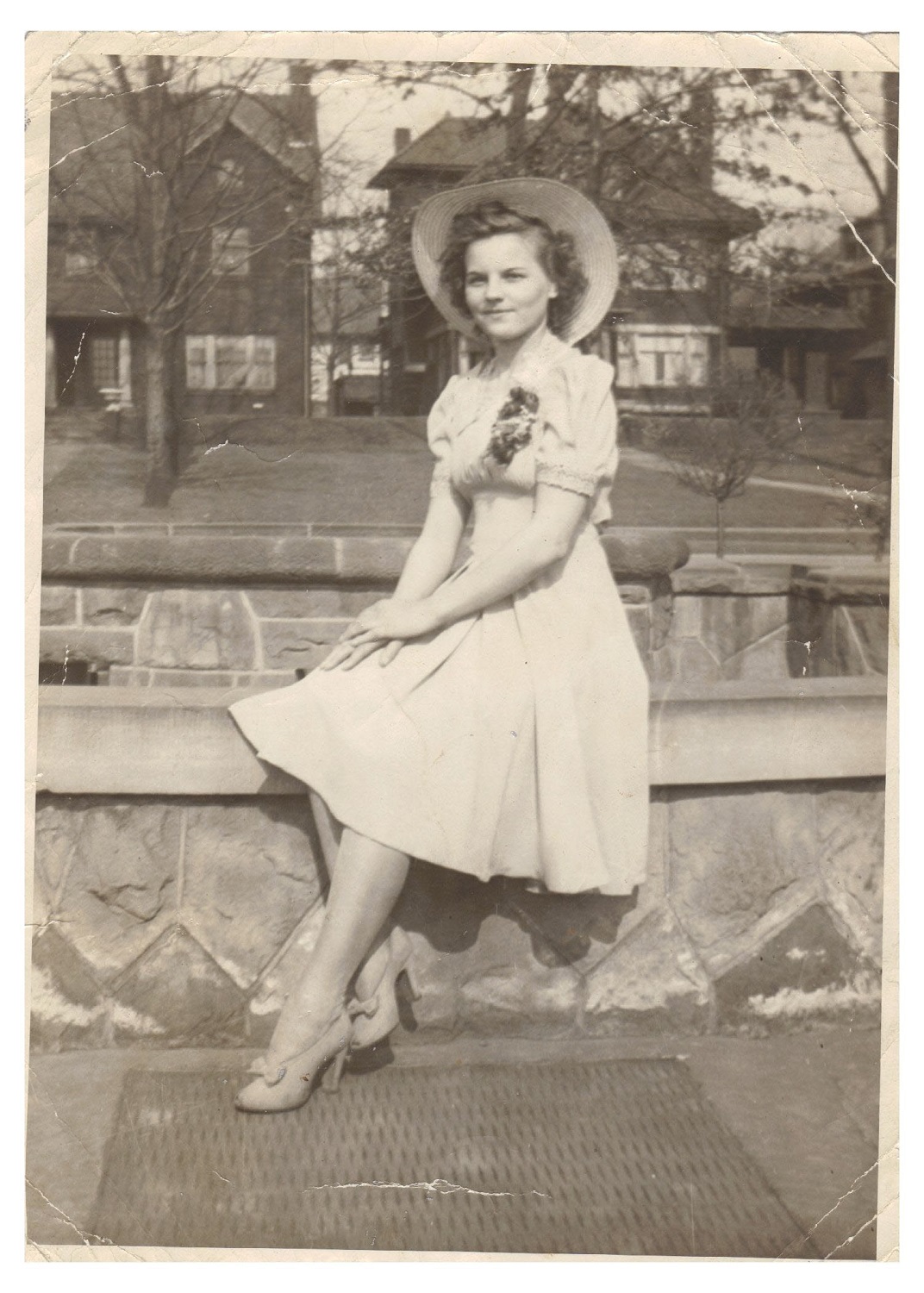
I am an average teen. Pretty neat to know it was a big deal that my grandmother was a Rosie the Riveter. I didn’t know how important it was until an article came out in the paper about my grandmother. My grandmother, Dorothy Partain, seems so happy and honored. She’s also happy that she worked hard and did a really good job. When the article about my grandmother first came out, Ms. Hall my history teacher, put it up next to the Rosie poster [with the slogan], “We Can Do It” in our classroom. I spent 30 minutes figuring it out. Ms. Hall thought I was goofing around. I already knew people at home helped in the war. I didn’t know how big a deal it was. Now I see that all the people who are part of it and it’s not just about soldiers. World War II probably would have not have been won without women who are grandmothers now, even great grandmothers. Men didn’t think they could do it, but the women did just as good as the...
by May Boeve | Aug 27, 2014 | stories
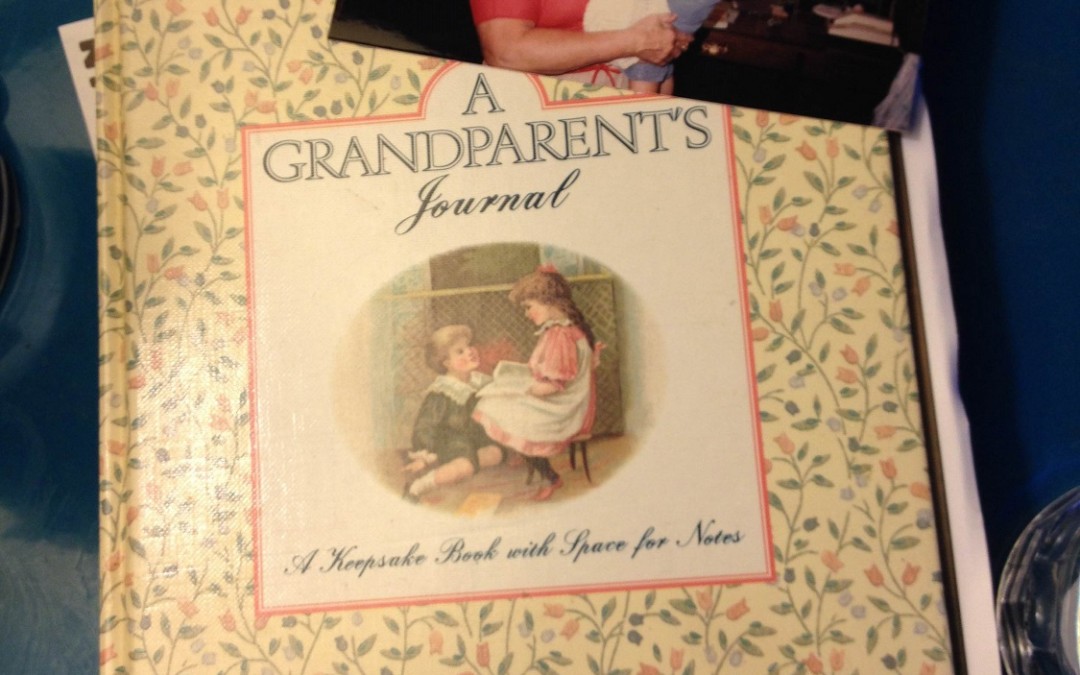
My grandmother, Verna Boeve, taught me to value work done in the home supporting a family and a community. She supported my dad and his eight siblings as a single mother, and before her husband died, by supporting their family’s work on a farm in Michigan. The work Grandma did every day involved cooking for her family and, on Sundays, for church functions. Up until the end of her life she was still baking pies and other delicious foods for me and my cousins when we came to visit. The work she did involved caring for me and my family and keeping our large family together throughout many changes. When she died three years ago, we all came back to Holland, Michigan, for her funeral. The whole family spent the following day working together, cleaning up the house she’d lived in for as long as I was alive. While cleaning out the basement, my cousin Kim found a journal Grandma had kept for dozens of years. I opened it and discovered that each journal entry was addressed in the form of a letter to me. She described what she thought, felt, questions she had, and hopes she had for my future. And she wrote a lot about work. On January 4, 1987, she wrote, “It blew, stormed all day but I stayed busy with the tapes and paid the school—Tried to knit a baby shawl…” On January 23, 1996, she wrote about the work of her parents: “They had an 80 acre farm. Dad was Highway Commissioner for many years and did threshing of grain for neighboring farms. Mother...
